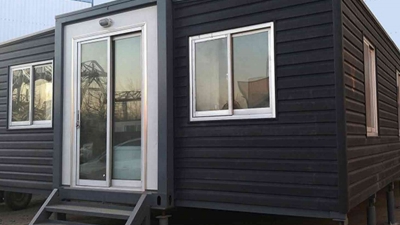
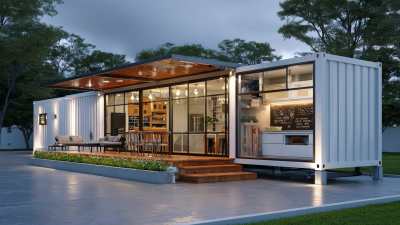
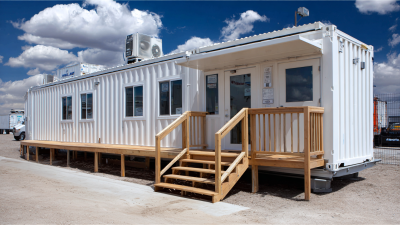
Lately, I've noticed that the idea of Single Container Houses has really been gaining popularity as a green and affordable way to live — and honestly, it makes a lot of sense, especially with urban areas expanding so quickly around the world. I came across a report from the Global Sustainable Building Council that says the modular housing market is expected to hit around $157 billion by 2023. That just shows how much people are leaning toward innovative building methods these days.
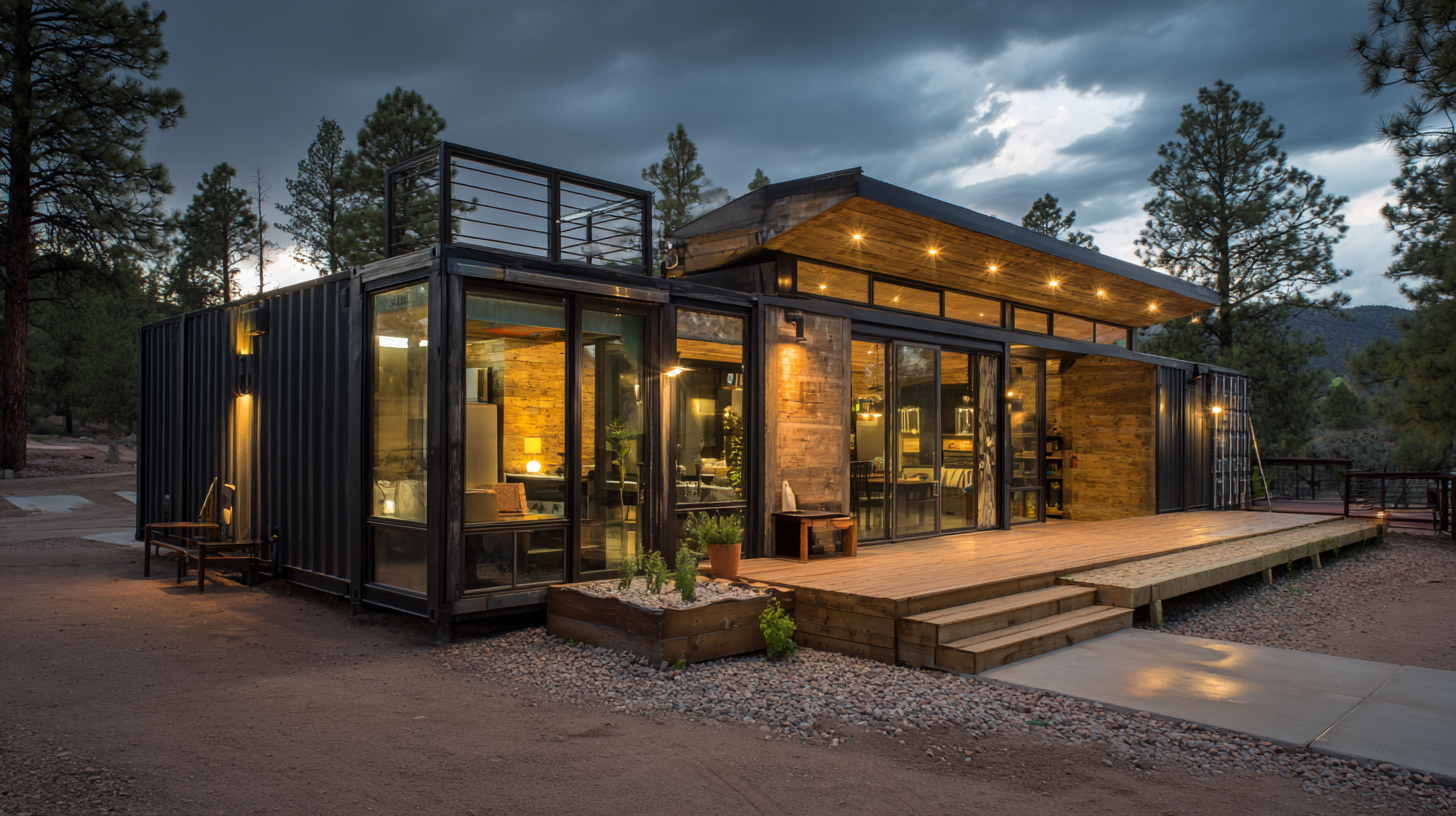
One company that's really leading the charge is Foshan Zhonghui Green Building Integrated Housing Co., Ltd. They’re constantly growing their production bases and focusing on eco-friendly solutions. What's pretty cool is their approach — they operate without requiring a deposit or sharing freight costs, which keeps things simple and affordable for their customers while still maintaining quality and trust. If you’re thinking about choosing a Single Container House that fits your lifestyle, it’s good to know the benefits—like how flexible they are, environmentally friendly, and quick to build. All these perks seem to line up perfectly with today’s modern architecture trends and our shared push for sustainability.
Essential Factors to Consider When Selecting a Single Container House
When you're looking at choosing a single container home, there are a few key things you really want to think about to make sure it fits your lifestyle. First off, size matters. Think about how many people will be living there and what kind of space you actually need. Container houses come in all sorts of sizes, so it’s important to get a clear idea of how much room you want for bedrooms, the kitchen, and those cozy living areas. A good, thoughtful layout can make all the difference — helping you make the most of the space without feeling cramped or cluttered.
Another thing to keep in mind is insulation and climate control. Because containers are made of metal, they can get pretty hot or cold depending on the weather, so proper insulation is a must if you want a comfy indoor vibe. It’s also smart to think about your local climate — using the right insulation materials can really boost energy efficiency. Plus, look into heating and cooling options that fit inside the container without fuss. And don’t forget about the outside finish — not only does it boost the looks, but it can also help with durability and saving some energy in the long run.
Evaluating Space Requirements for Your Unique Lifestyle
Thinking about going with a single container house? Well, it's super important to really figure out your space needs so everything fits your lifestyle perfectly. Start by thinking about how you'll actually use each part of the house—like, do you work from home? Then a dedicated office space is pretty much a must-have. Or maybe you’re into hobbies that need extra storage or a workshop? It’s worth sorting out how many rooms you need and what size they should be, so your daily routine doesn’t get messy.
And don't forget to consider how you want to interact with your home. If you're someone who loves hosting friends and family, an open-plan layout might be your thing—it makes the whole space flow naturally. But if privacy is more your style, then using partitions or different zones can give you that cozy separation. Oh, and outdoor areas? A balcony or garden can make a huge difference—think of it as your personal chill zone. By taking all these things into account, you’ll be able to pick a container house that not only fits your space needs but genuinely feels like home, tailored just for you.
Design and Aesthetic Preferences: Making Your Container Home Feel Personal
When you're designing your own single container home, making it look just the way you like is super important. It’s all about customizing the style so the space really feels like *you*. I came across a report from the Container Housing Institute that said around 70% of folks with container homes want their designs to stand out and show off their personality. Seems like more people are really into making their tiny homes unique! The great thing is, container architecture is pretty flexible—think about adding big windows to bring in lots of natural light or tossing in some outdoor decks that kinda blur the line between inside and outside.
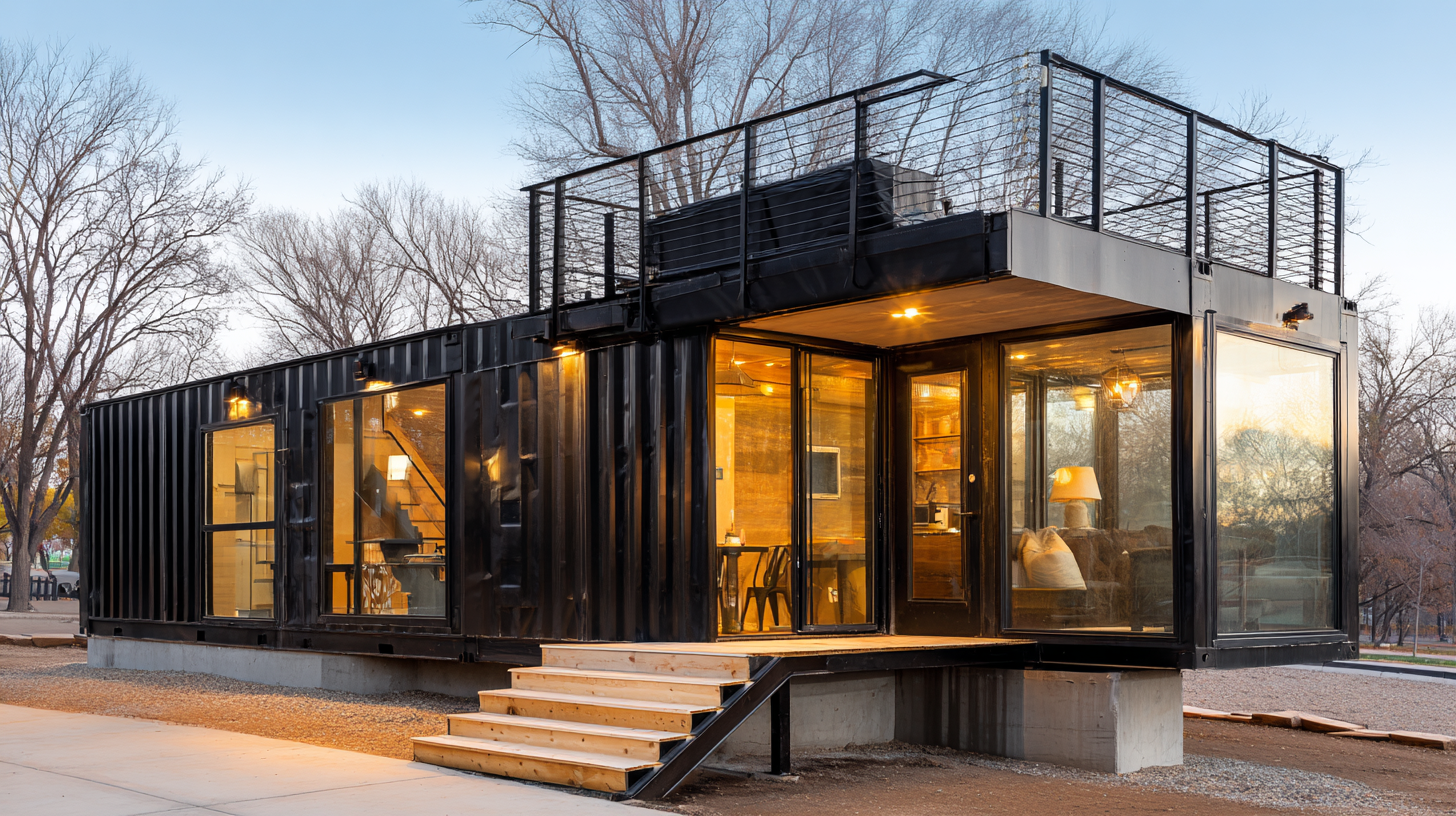
And it’s not just about the structure. The colors and materials you choose can totally define the vibe of your home. According to a survey by Home Design Trends, about 55% of homeowners go for a sleek, modern, minimalist look, usually sticking with neutral colors and natural textures to keep things warm and inviting. Plus, choosing eco-friendly materials for the inside can make your home not only look good but also be better for the planet. So, by putting some thought into your design choices and personal style, you can end up with a container home that’s not just functional but really feels like your own space.
Understanding Cost Implications and Budgeting for Your Container House
When you're thinking about picking out a container house, it's super important to get a good handle on the costs involved so you don’t end up surprised later on. The total price can really fluctuate depending on things like where you want it, how fancy you want the design, and any extra features you toss in. Sure, a basic container home might look pretty affordable at first glance, but don’t forget there are often hidden costs like permits, prepping the land, and hooking up utilities—that’s where the expenses can really creep up. So, it pays to do your homework and factor in all the potential expenses upfront, including those random surprise costs that might pop up.
On top of that, if you're thinking about customizing your container house—say, making it more spacious or going green with eco-friendly upgrades—be aware that these tweaks can bump up the price quite a bit. It’s a good idea to prioritize what really matters most to you and not get carried away with every little fancy upgrade. Chatting with a professional who knows their way around container homes can actually save you some money while still giving you a design that fits what you’re after. In the end, having a clear budget in place makes the whole process less stressful and helps turn your dream container house into reality without breaking the bank.
Sustainability Features to Look for in Container Home Solutions
When you're on the hunt for the perfect single container house that fits your lifestyle, it's pretty much a smart move to prioritize sustainability. I mean, if you check out the latest report from the Global Container Housing Market, you’ll see that features like energy-efficient setups and eco-friendly materials are a big deal. They don’t just help reduce the home's carbon footprint but also slash those ongoing costs of running the place. Think solar panels, rainwater harvesting systems, and top-notch insulation — these are all game-changers for green-minded homeowners looking to do their part without breaking the bank.
Here at Foshan Zhonghui Green Building Integrated Housing Co., Ltd., we totally get how important these features are. We're all about green building practices, which means every container house we make isn’t just budget-friendly — it’s designed with sustainability in mind. Plus, with newer options like no deposit or freight sharing models popping up, we're making it even easier and more affordable for folks to get into eco-friendly homes. As things keep evolving, investing in a sustainable container home isn’t just good for the planet — it also means healthier, happier living for you and your family.
Navigating Local Regulations and Zoning for Container Living
If you're thinking about putting up a container house, it’s super important to understand the local rules and zoning stuff first. Every place has its own set of regulations about where and how you can set up a container home, so doing your homework on zoning laws in your area is a must. You’ll want to get a grip on what counts as a residential property and what restrictions might be in place for alternative housing. Oh, and don’t forget — many towns and cities will require specific permits for container homes. So, it’s a good idea to familiarize yourself with the permit process, including how long everything might take.
Another key thing is to familiarize yourself with building codes. These are the rules that make sure your home is safe and solid — from insulation and the foundation to plumbing and wiring, everything’s covered here. It’s smart to reach out to local building authorities early on, so you can spot any potential hurdles right from the start. And if you can, chat with architects or builders who have experience with container homes; they can really help you navigate what’s needed to stay compliant while still realizing your vision. Trust me, their insights can save you a lot of headaches later on.
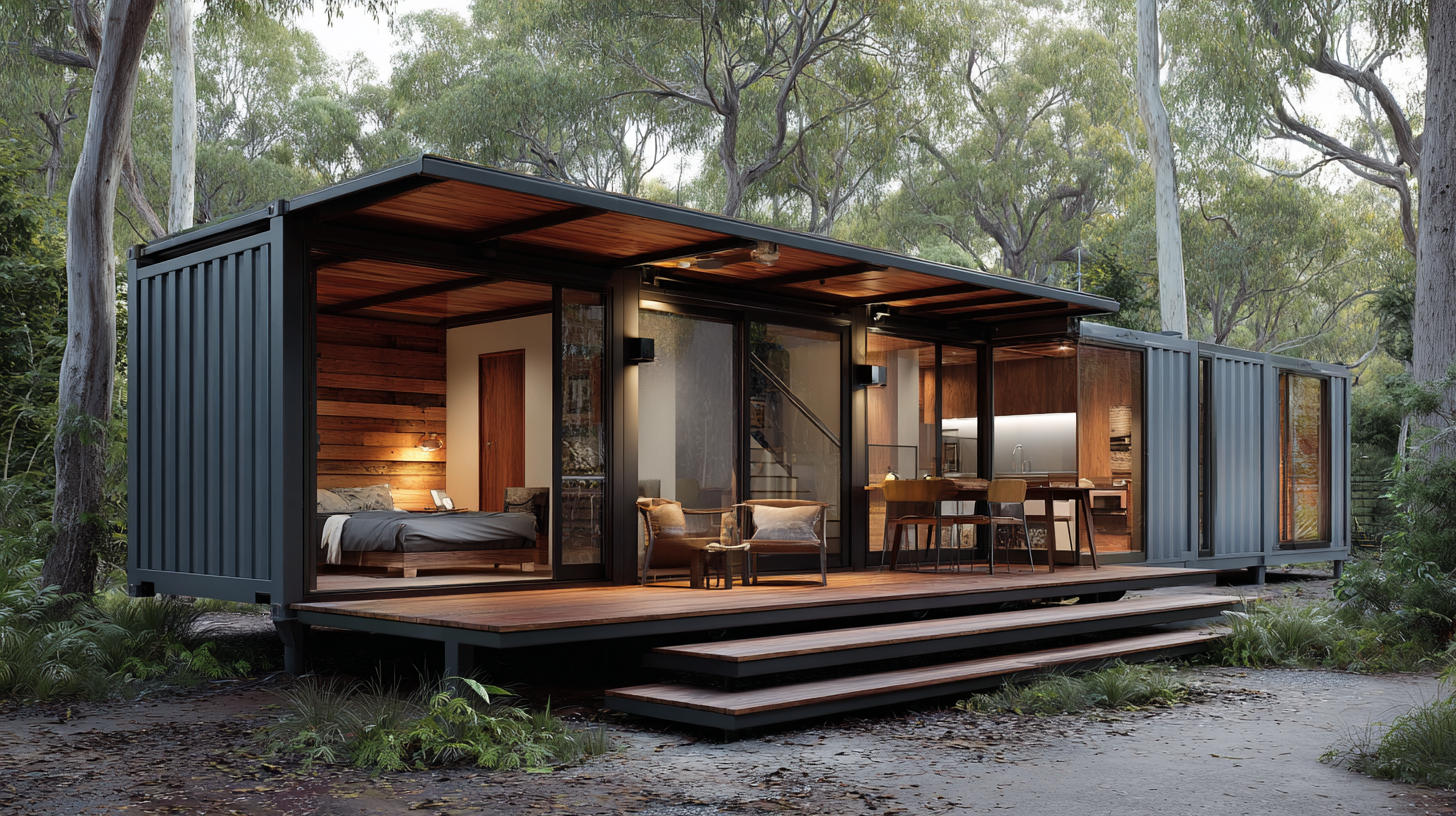
Versatile Living: Exploring the Benefits of the 3-In-1 Expandable Container House
The rise of adaptable living solutions has garnered significant attention in recent years, particularly as urban populations continue to expand and the demand for efficient use of space grows. The 3-in-1 Expandable Container House stands out as a versatile option that caters to various needs, whether it's for living, working, or storage. According to a report by the International Journal of Sustainable Building Technology, the global Modular Construction market is expected to reach $157 billion by 2023, highlighting the growing acceptance of multifunctional housing solutions.
Flexibility is at the core of the 3-in-1 design. This innovative container house can easily transform from a cozy living space to a functional workspace or storage area, making it ideal for remote workers, families needing extra room, or entrepreneurs looking for cost-effective office solutions. With the ability to adapt to different situations, it not only maximizes space but also minimizes the environmental impact often associated with traditional construction. The Sustainable Construction Institute notes that modular constructions like the 3-in-1 expandable container can reduce resource consumption by up to 30%, making it an environmentally friendly choice.
Moreover, the simplicity of its design allows for quick assembly, bringing considerable time and cost savings compared to conventional building methods. The 3-in-1 expandable container house is an innovative solution that not only offers flexibility and practicality but also aligns with the global trend towards sustainable living. As more individuals and businesses seek adaptable spaces, the significance of such multifunctional housing designs will likely continue to rise.
FAQS
: The cost of a container house can vary significantly based on location, design complexity, and additional features.
Yes, hidden costs such as permits, land preparation, and utility connections can accumulate rapidly, necessitating a thorough budget assessment.
Customization options, like spacious layouts or eco-friendly modifications, can elevate the overall budget substantially, so it is important to prioritize needs and desires.
A professional specializing in container homes can provide valuable insights into cost-effective alternatives while ensuring the design meets unique living needs.
Key sustainability features to look for include energy efficiency, eco-friendly materials, solar panels, rainwater harvesting systems, and high-performance insulation.
Sustainable features significantly reduce a home’s carbon footprint and operational costs, contributing to healthier living environments and positive impacts on the planet.
Foshan Zhonghui is dedicated to producing affordable container houses that align with sustainable practices and incorporate innovative, cost-effective solutions.
Innovative operational modes like "no deposit, no freight sharing" can make eco-friendly housing solutions more accessible to a wider audience.
Conduct thorough research and account for all potential expenditures, including unforeseen expenses, to ensure a comprehensive and effective budget.
Investing in container homes that prioritize sustainability can lead to reduced environmental impact and healthier living environments for homeowners and the planet.