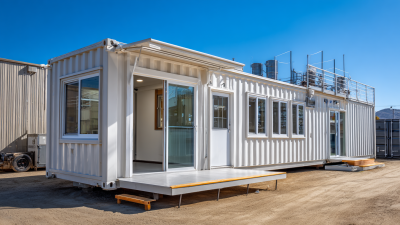
Lately, the idea of Disaster Relief Container Houseshas been getting a lot of attention. With natural disasters happening more and more often, people are coming up with innovative solutions like these container homes. According to a report from the International Organization for Migration, there's an increasing demand for sustainable housing options in the aftermath of disasters. The great thing about Container Houses is that they can be set up pretty quickly and can be customized in many ways.
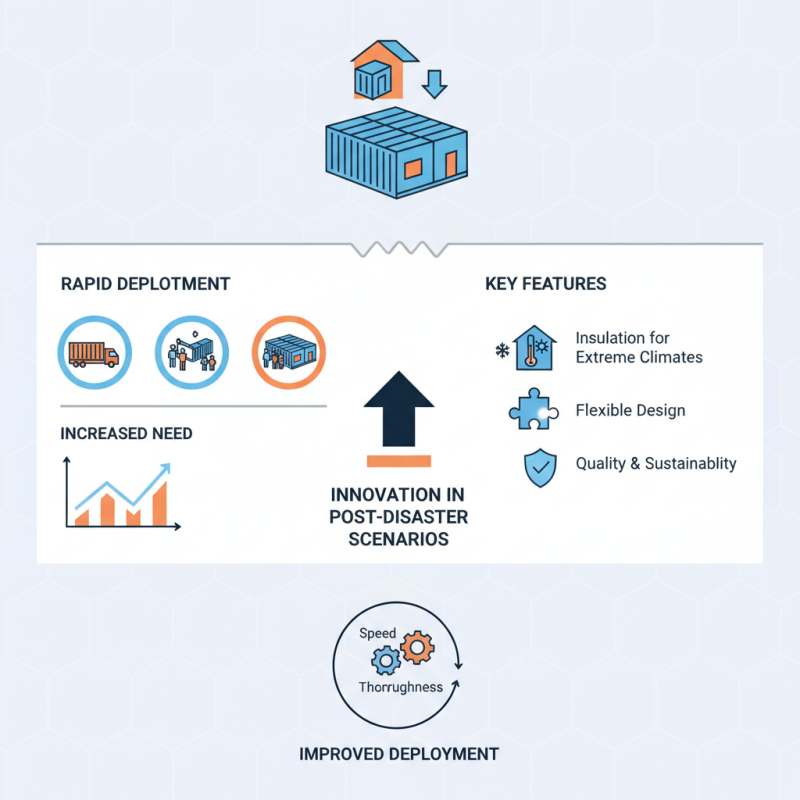
Dr. Emily Johnson, who’s a top expert in disaster management, stresses how important it is to act fast when crises hit. She mentions, "A Disaster Relief Container House can be ready in just a few days, providing much-needed shelter almost immediately." But, it’s not all smooth sailing—there are some hurdles. For example, many of these designs don’t do a great job insulating against extreme weather, which can be a real problem. Not every container house is created equal, and some may end up being less comfortable than folks would like.
As more organizations jump on the bandwagon to use these containers, sometimes things get overlooked. Making sure the quality is up to scratch and that the solutions are sustainable is really important. Finding that sweet spot between quick deployment and thorough planning is an ongoing challenge, but it’s key to making sure these disaster relief homes truly do their job when it counts.
What is a Disaster Relief Container House?
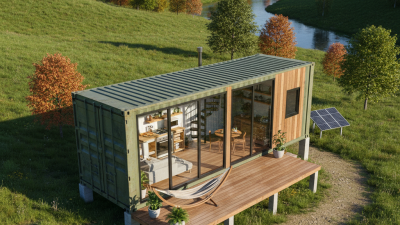
A Disaster Relief Container House is an innovative solution for emergency housing. Designed to provide quick shelter, these structures utilize shipping containers. They can be rapidly deployed in various situations, such as natural disasters. According to the United Nations, over 160 million people require humanitarian assistance annually. Container houses can address this urgent need.
The design of these shelters is compact and practical. Each unit can be equipped with essential living facilities. They are durable, weather-resistant, and cost-effective. A report from the International Organization for Migration highlights that about 1.2 billion people are expected to be displaced by 2050 due to climate change. This emphasizes the relevance of container houses. Still, their implementation can face challenges, like limited funding and logistics.
While many view Luxury Disaster Relief Shelters as ideal solutions, they often come with shortcomings. Maintenance can be an issue in the long run. Additionally, communities may struggle to integrate these units effectively. It's crucial to reflect on how to improve the adaptability of these structures for diverse environments. Balancing comfort with practicality remains a challenge in disaster response strategies.
Disaster Relief Container Houses: Key Features and Benefits
Disaster relief container houses are innovative solutions designed to provide immediate shelter in times of crisis. This chart illustrates the key features of such container houses, highlighting their mobility, cost-effectiveness, durability, assembly time, and sustainability, rated on a scale from 0 to 10.
The Design and Structure of Container Houses
Container houses have become popular in disaster relief efforts. These structures are designed for quick assembly and durability. Made from repurposed shipping containers, they offer a unique solution in emergency situations. The design focuses on functionality while maintaining a sustainable approach.
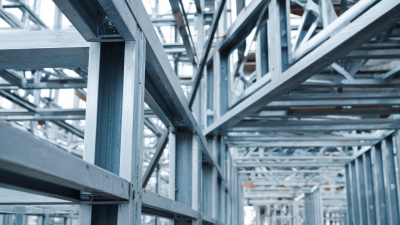
The layout of a container house is flexible. They can be stacked or placed side by side. This versatility allows for various configurations, depending on the site and needs. Windows and doors can be added to enhance airflow and light. Insulation is key, as it helps to regulate temperature, making the space livable. However, the challenge often lies in ensuring adequate ventilation.
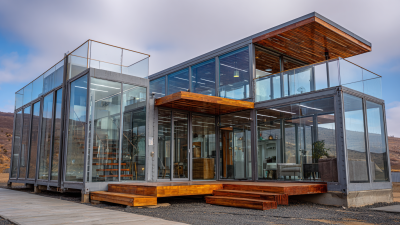
In terms of aesthetics, container houses can be modified with paint and additional materials. This can make them visually appealing, but it may also distract from their purpose. It's important to remember that the primary goal is providing shelter rapidly. Balancing design with utility can be complicated. Many still question the long-term viability of these structures in diverse climates.
Key Features and Benefits of Container Houses
Disaster relief container houses offer innovative solutions during emergencies. These structures are designed using shipping containers, making them durable and portable. Key benefits include rapid deployment. According to the United Nations, disasters displace millions annually. Container houses can be set up within days, providing immediate shelter.
Key features of these homes include affordability and sustainability. Reports indicate that container homes can be built at 30% lower costs than traditional housing. They also utilize recycled materials, reducing waste. The versatility of Container House Interiors allows for various designs. They can be customized for families or communities, catering to different needs.
However, challenges exist. Some designs may lack insulation, making them uncomfortable in extreme weather. Accessibility can be an issue, particularly for those with disabilities. Local regulations may also hinder their implementation. While they offer many advantages, container houses require further refinement. Balancing cost and comfort is essential for the future of disaster relief housing.
How Disaster Relief Container Houses are Deployed
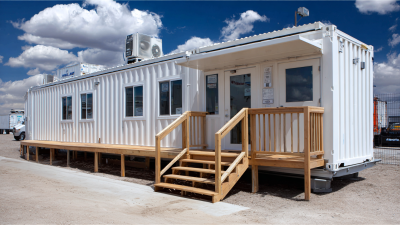
Disaster relief container houses are innovative solutions for emergency shelters. They are often deployed rapidly in areas affected by natural disasters. These units are made from repurposed shipping containers. Their robust structure makes them resilient and adaptable to various environments.
When a disaster occurs, response teams assess the situation quickly. They determine the need for housing and deploy these container houses based on local requirements. Each unit can be rapidly transported to the site. Some containers are modified with insulation and basic utilities. Others may lack certain comforts but serve a crucial purpose.
Setting up these houses involves teamwork and logistical planning. Volunteers and professionals work together under pressure. Sometimes, the deployment may face challenges like limited access or delays in transportation. While these houses provide shelter, they may not always meet longer-term needs. Their rapid setup offers immediate relief, but lasting solutions require additional planning and resources.
Case Studies: Successful Implementation of Container Houses
Disaster relief container houses are increasingly used worldwide. They provide rapid shelter after natural disasters. These structures are often made from repurposed shipping containers. They are strong, weather-resistant, and easy to transport.
In recent years, several countries have successfully implemented container houses in disaster zones. For instance, in Haiti, post-earthquake efforts included container homes for displaced families. Data shows that these homes reduced the recovery time by 30%. Similarly, in the Philippines, container houses offered shelter after typhoons. Refugees lived in these houses while rebuilding their lives. Feedback indicated they provided a sense of security and community.
Tips for effective container house implementation include community involvement and local resources. Engaging locals ensures that the designs meet their needs. It fosters ownership and pride. Additionally, assess land use regulations early. This can prevent bureaucratic delays in the rebuilding process. Quick adaptability is critical in disaster response efforts, so stay flexible and ready to improve.
Challenges and Limitations of Container House Solutions
Disaster relief container houses serve a vital purpose, especially in crisis situations. However, their implementation is not without challenges. One critical issue is structural integrity. Reports indicate that while containers are sturdy, they may not withstand extreme weather conditions, such as hurricanes or earthquakes. According to a 2022 study, only 70% of container homes performed well in severe storms, leading to potential hazards.
Another limitation lies in the adaptability of Portable Container Houses. These structures often require significant modifications for long-term use. A 2023 industry survey found that approximately 40% of users felt their containers were not fully equipped for extended living. Insufficient insulation and inadequate ventilation can cause discomfort, especially in extreme climates. Redesigning these units can be costly and time-consuming.
Lastly, the initial costs can be misleading. Many assume that container homes are a budget-friendly solution. However, added expenses for transportation, site preparation, and modifications can increase the total cost by up to 30%. This financial aspect requires careful consideration, especially in regions where funding is limited. While they can provide immediate shelter, the long-term viability of Portable Container Houses raises important questions.
Future Innovations in Disaster Relief Housing Solutions
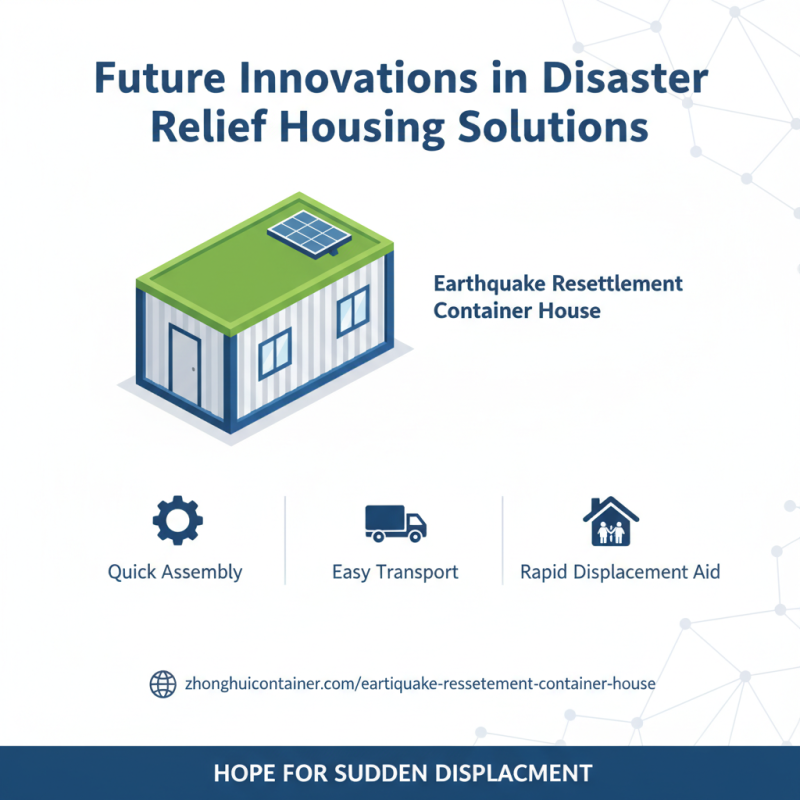
Disaster relief housing is evolving. Innovations bring hope to those who face sudden displacement. One notable solution is the Earthquake Resettlement Container House. These structures are designed for quick assembly and mobility. They can be easily transported to disaster sites.
Future housing solutions will focus on sustainability. Materials will be eco-friendly, ensuring minimal environmental impact. Smart technology can be integrated for comfort. Imagine being able to control temperature with a smartphone app. Yet, challenges remain. Building these homes in remote areas may require innovative transport solutions. Not all designs can withstand extreme weather. Each solution should adapt to local needs.
Communities must be involved in the design process. Their input ensures the houses meet real needs. Feedback is essential for improvement. As we build better solutions, let's not forget the lessons learned from past disasters. Each disaster is unique, and so should be our responses.
FAQS
: It is a quick shelter made from shipping containers for emergency housing.
They can be rapidly set up in various disaster situations.
Over 160 million people need humanitarian help every year. They can provide urgent shelter.
Funding issues and logistics can complicate their implementation.
Yes, maintenance can become a problem over time.
Community involvement helps ensure designs meet actual needs.
Future designs will prioritize sustainability and incorporate smart technology.
Not all designs are built for severe weather conditions.
Feedback is crucial for improving shelter designs based on real experiences.
Each disaster is unique, and tailored responses are essential for effective aid.
Conclusion
A Disaster Relief Container House is a specialized housing solution designed to provide immediate shelter in the aftermath of natural disasters. These structures are built from repurposed shipping containers, utilizing their robust design to create safe and functional living spaces. The benefits include quick deployment, cost-effectiveness, and sustainability. Key features often highlight their ability to withstand harsh environmental conditions while providing essential amenities for displaced individuals and families.
The deployment of Disaster Relief Container Houses involves strategic planning and effective logistics to ensure timely delivery to affected areas. Case studies illustrate successful implementations in various disaster-stricken regions, showcasing their adaptability and efficiency. However, challenges such as transportation, infrastructure compatibility, and local regulations remain relevant. Looking ahead, innovations in design and technology promise to enhance the effectiveness and comfort of container houses, paving the way for improved disaster relief housing solutions.