When it comes to building and construction these days, Steel Structures are really becoming a staple—kind of like the backbone of modern architecture. They help make projects more efficient, eco-friendly, and durable. Did you know that, according to the International Association for Bridge and Structural Engineering, the worldwide market for steel construction is projected to hit around $1 trillion by 2024? A big driver behind this is the growing push for greener, more cost-effective building solutions. Foshan Zhonghui Green Building Integrated Housing Co., Ltd. is definitely leading the charge here. They're pushing forward with innovative green construction methods, thanks to their advanced production facilities. Plus, they’re making safety a priority and cutting costs with their no-deposit, no-freight-sharing model—pretty smart, right? The goal is to set a high standard for reliability and reputation in the steel industry. In this blog, I’ll share seven key tips to help you make the most of your steel structure projects, drawing on the latest industry stats and best practices to guide you along the way.
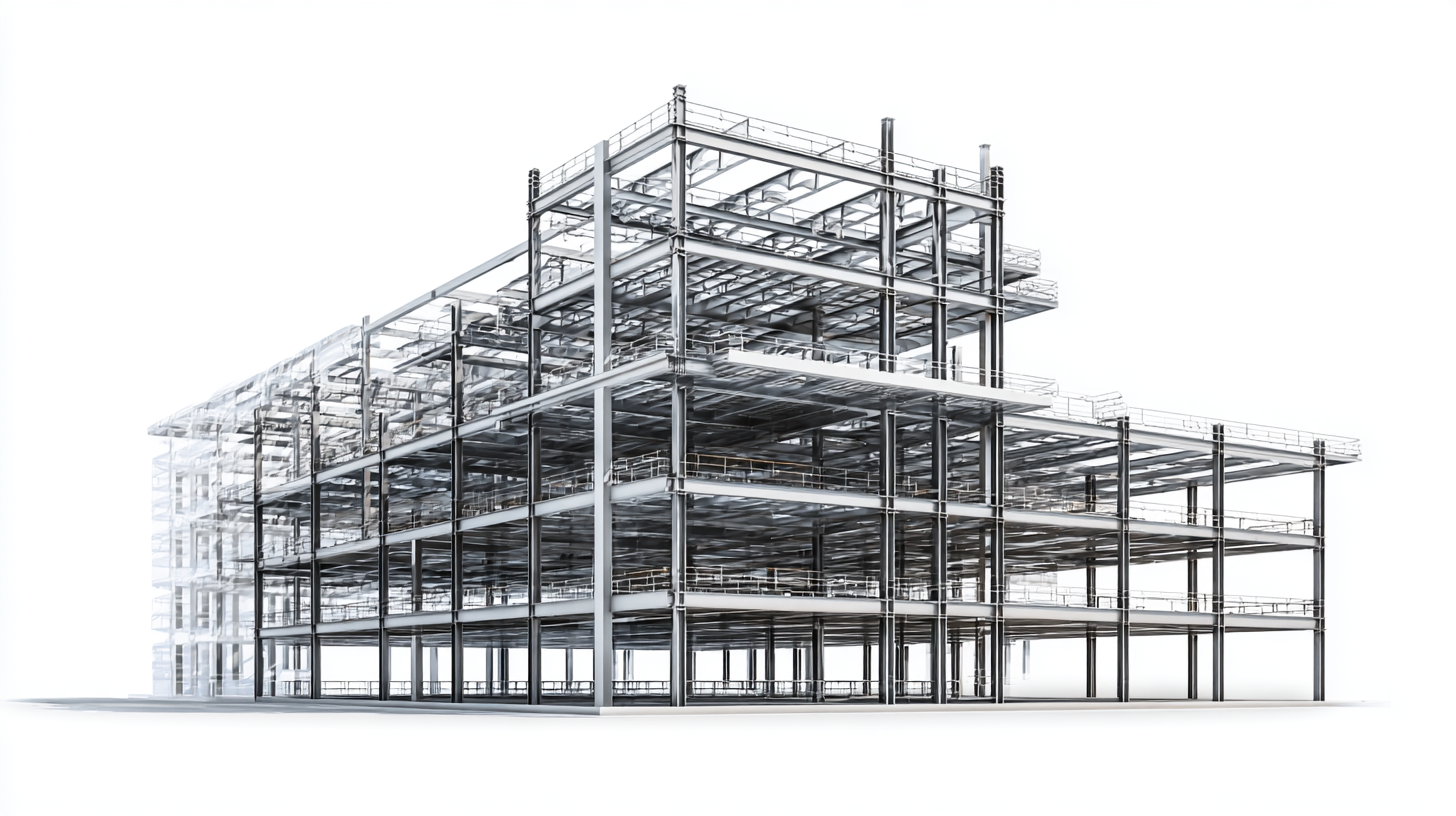
Understanding the Importance of Data Analysis in Steel Structure Projects
In the world of construction these days, data analysis really is more important than ever when it comes to steel structure projects. Getting a good handle on industry stats can seriously help with making smarter decisions, keeping things running smoothly, and just generally improving how projects turn out. When project managers dig into data about things like material performance, worker efficiency, and the structural strength, they can spot potential problems early on and tackle them before they become big issues. It’s a bit like playing it smart—risk management and making sure resources are used wisely so that time and money aren’t wasted.

On top of that, bringing in data-driven insights into planning really helps everyone stay on the same page. When architects, engineers, and contractors all look at the same set of data, they can better align their goals and work together more effortlessly. For example, using analytics tools, teams can pick up on patterns that might signal delays or budget overruns, giving them a chance to make adjustments in time. Since steel structures often involve pretty complex calculations and scenarios, having a solid data foundation makes sure every step—whether it’s the design or actual construction—is well-informed and efficient. In the end, this all adds up to a smoother project that’s more likely to succeed.
Key Industry Statistics Every Steel Construction Manager Should Know
When you're dealing with steel structure projects, really getting a handle on the key industry stats can make a big difference in managing things smoothly. One trend that’s been catching attention is the drop in steel prices per person—this can really shake up your project budgets. It’s a good idea for construction managers to keep track of these price swings and tweak their proposals a bit to save costs where they can. Using some of those fancy analytics tools out there can also help predict price trends, so you’re making smarter buying decisions instead of just guessing.
Effective Planning Techniques to Maximize Efficiency in Steel Projects
In the fast-paced world of steel structure projects, good planning is absolutely key if you want to get things done efficiently and keep costs under control. I came across a study by the American Institute of Steel Construction (AISC) that found when projects stick to solid planning routines, they can cut down on time overruns by as much as 30%. That really shows just how important it is to have a well-thought-out blueprint that covers every phase — from the initial design all the way through to the actual build. Spending a bit more time in the pre-construction planning stage can pay off big time — it helps spot potential problems early on, makes resource allocation smoother, and keeps everyone on the same page.
Plus, using tools like Building Information Modeling (BIM) can make your planning even sharper. A report from McKinsey & Company mentions that projects using BIM see about a 10% reduction in how long they take to complete. It’s a pretty neat digital approach since it helps teams actually visualize the project better, so they can catch issues before they become real headaches and tweak their plans accordingly. By embracing these new tech and planning techniques, steel projects can run more smoothly, save money, and stay a step ahead in this pretty competitive market.
7 Essential Tips for Optimizing Your Steel Structure Projects Based on Industry Statistics
| Tip No. | Optimization Technique | Impact on Efficiency (%) | Implementation Cost ($) | Time Savings (Days) |
| 1 | Early Collaboration with Engineers | 15 | 2000 | 5 |
| 2 | Utilization of Pre-Engineered Components | 20 | 3500 | 10 |
| 3 | Advanced Project Management Software | 25 | 4000 | 15 |
| 4 | Training for Workers on Latest Techniques | 10 | 1500 | 3 |
| 5 | Quality Control Measures throughout Construction | 30 | 2500 | 12 |
| 6 | Use of 3D Modeling for Design | 18 | 3200 | 8 |
| 7 | Regular Maintenance Check-ups | 15 | 1000 | 4 |
Common Pitfalls in Steel Structure Projects and How to Avoid Them
Starting a steel structure project? It’s super important to watch out for some common pitfalls that can throw a wrench in your plans or even blow your budget. One mistake I’ve seen a lot of folks make is not doing enough homework upfront—without a solid plan, things can get messy pretty fast, and delays become almost inevitable. To keep things on track, try to put together a detailed schedule. Think deadlines, resource needs, and backup plans—stuff that can really save your skin if unexpected issues pop up.
Another big gotcha is skipping over the industry standards and regulations. Oversights here can lead to legal headaches or, worse, safety risks. The key is to get familiar with the local rules and best practices from the get-go. Regularly chatting with experts or consultants is also a good move—they can keep you honest and make sure every part of your project sticks to the rules.
Last but not least, poor communication among team members can cause a lot of trouble. When everyone’s not on the same page, mistakes happen, and work slows down. Setting up clear communication channels and holding regular check-ins can really help. Using project management tools or just making sure everyone knows what they’re supposed to do can make a huge difference—leading to a smoother process and a successful finish. Trust me, a little effort here goes a long way!
Innovative Technologies That Enhance Steel Structure Optimization
When it comes to steel structure projects, innovative tech really makes a big difference in how smoothly everything runs. These days, new software tools with smart algorithms and machine learning are helping engineers sift through tons of data way more efficiently. Thanks to these tech advancements, teams can spot potential structural issues before they even happen, which means making smarter decisions and keeping projects on track. For example, Building Information Modeling (BIM) is awesome for collaboration — everyone can stay in the loop with real-time updates, so there’s less chance of costly mistakes popping up during construction.
On top of that, automation and robotics are totally transforming how steel is fabricated. Automated cutting and welding machines don’t just boost precision; they also cut down on labor costs and speed things up. Drones, too, are becoming super useful for site surveys and monitoring, offering sharp imaging and data collection that improve safety and keep projects running smoothly. By embracing these cool innovations, steel projects can become more efficient, durable, and overall better — really pushing the industry forward.
The Role of Collaboration and Communication in Successful Projects
When it comes to building steel structures, teamwork and good communication really make or break the project. I mean, there’s actually a report from McKinsey & Company that says lousy communication is behind a whopping 70% of project failures in construction—pretty eye-opening, right? One way to fix that is by using structured collaboration tools. Things like Building Information Modeling (BIM), for example, allow for real-time sharing of data. That’s a game-changer because it cuts down on misunderstandings and the need for rework—which, according to the Construction Industry Institute, can cause about 30% of delays. So, investing in these tools can really keep things moving smoothly.
And honestly, when you look at how project teams work, it’s pretty clear how critical collaboration really is. A study from the Project Management Institute shows that teams that focus on clear and regular communication tend to be about 20% more productive. Simple stuff like regular check-ins and using collaborative platforms helps everyone stay on the same page, catch issues early, and avoid last-minute surprises. It’s all about making sure everyone’s goals align, which not only keeps the workflow flowing but also boosts the chances of the project’s success. At the end of the day, good communication isn’t just a nice-to-have—it’s essential if you want your steel structure project to come together smoothly and efficiently.
FAQS
: Effective planning is crucial as it can reduce time overruns by up to 30% and helps in identifying potential bottlenecks early, allocating resources effectively, and improving communication among stakeholders.
BIM enhances planning accuracy and allows for better visualization of projects, leading to a 10% reduction in project completion time by enabling teams to foresee complications and adjust plans accordingly.
Poor communication is responsible for approximately 70% of project failures in the construction industry.
Structured collaboration tools improve information flow among stakeholders, reducing misunderstandings and rework, which account for 30% of project delays.
Projects that leverage effective communication strategies can see a 20% increase in overall productivity.
Establishing regular check-ins and utilizing collaborative platforms can align team goals, address potential issues early, and ensure all members are on the same page.
Thorough pre-construction planning allows project managers to identify potential bottlenecks early and allocate resources more effectively, leading to improved project execution.
Innovative planning techniques, such as BIM, can streamline operations, enhance planning accuracy, and ultimately drive down costs, creating a competitive edge in the market.
Collaboration plays an integral role in optimizing steel structure projects by streamlining workflow and driving project success through enhanced communication among team members.
Conclusion
When it comes to steel structure projects, understanding data analysis really makes a big difference. It’s like having a secret weapon to make smarter choices that lead to real success. Industry stats? They’re super important—they give you insights that every construction manager should tap into to boost project results. And if you’re into planning smartly, your team can work more efficiently and keep costs under control. Of course, being aware of common pitfalls in steel projects is a must, and don’t forget about all the cool new technologies out there that can seriously streamline things.
Plus, good communication and teamwork among everyone involved is key to pulling off a smooth project. At Foshan Zhonghui Green Building Integrated Housing Co., Ltd., we’re all about pushing green construction forward. We also run a no deposit, no freight sharing operation—that’s our way of proving we’re reliable and affordable. Plus, it lines up perfectly with our goal to get better results on steel projects while keeping sustainability in mind.