




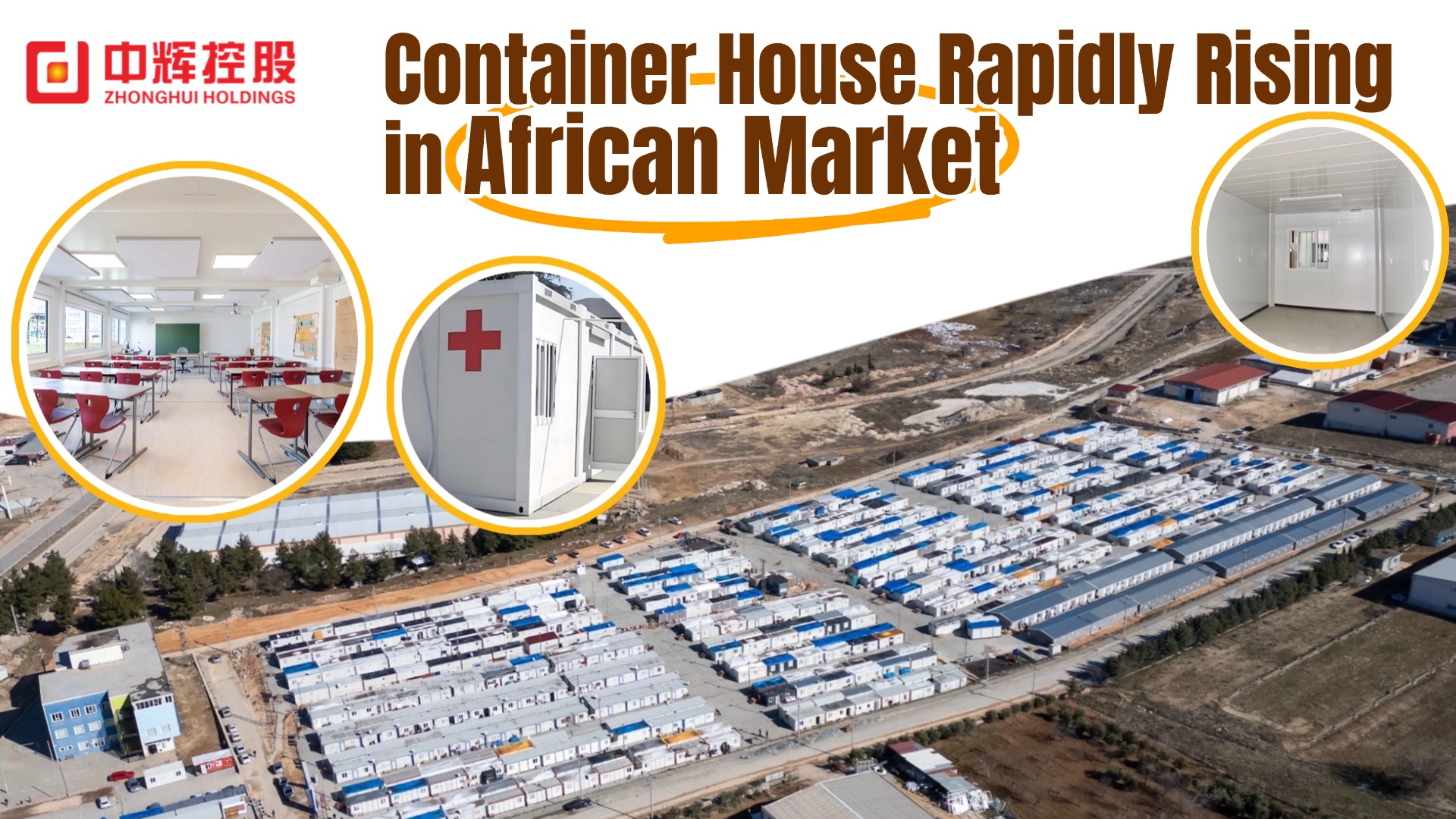
The Green Mission of Container House in the Era of Carbon Neutrality
As global climate change intensifies, carbon neutrality has become a core goal for countries' development. The construction industry, as a significant source of global carbon emissions, has become a key area for reduction. In order to achieve carbon neutrality, governments worldwide have implemented strict green building policies, promoting the use of Modular Construction and eco-friendly materials. In this policy environment, container house, as an efficient and low-carbon building form, are gaining increasing attention from developers and environmental projects.
Green Features of Container House
container house have numerous green building characteristics, making them an essential solution for achieving low-carbon living.
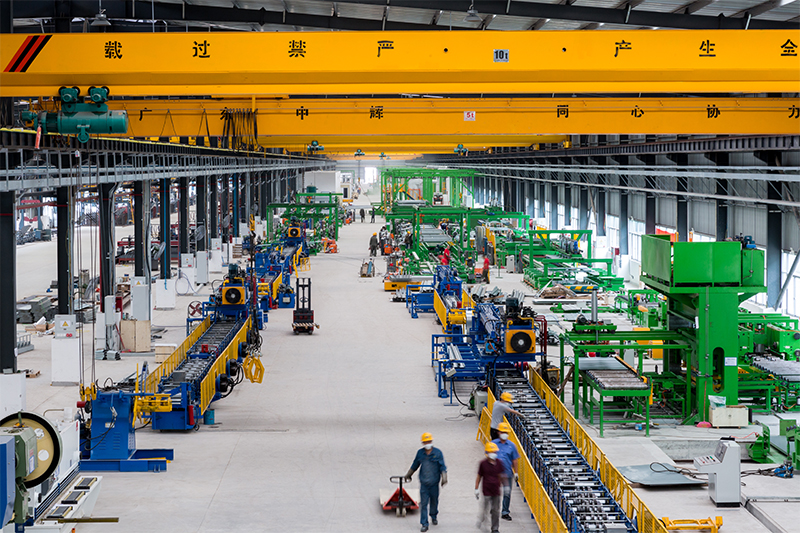
Recycling of Used Shipping Containers
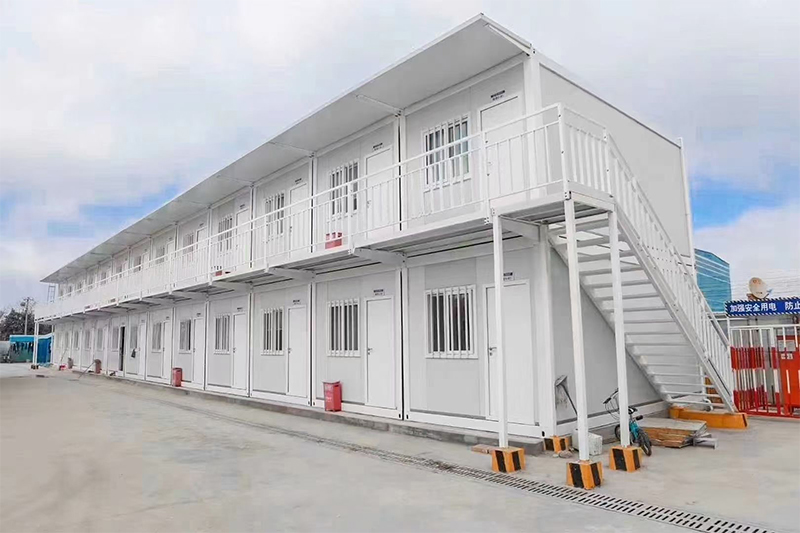
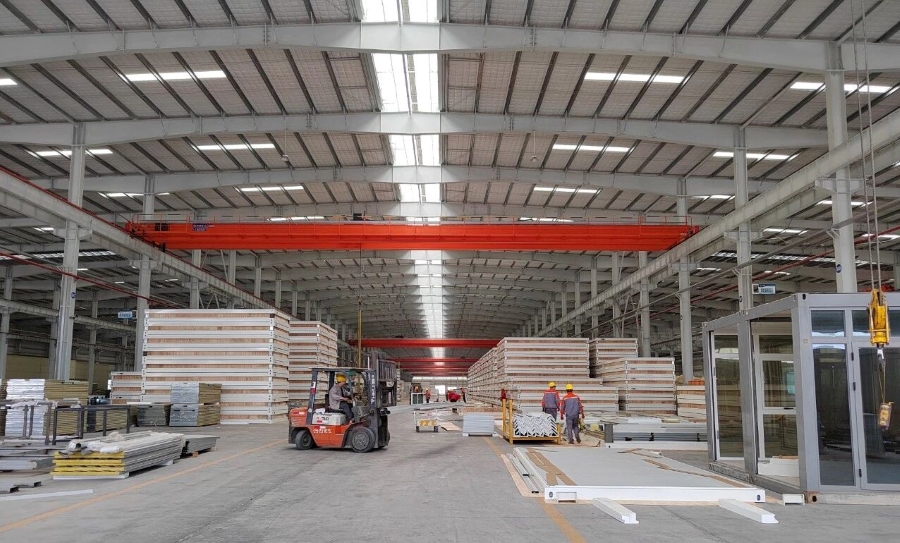
Rapid Construction and Low-Carbon Building
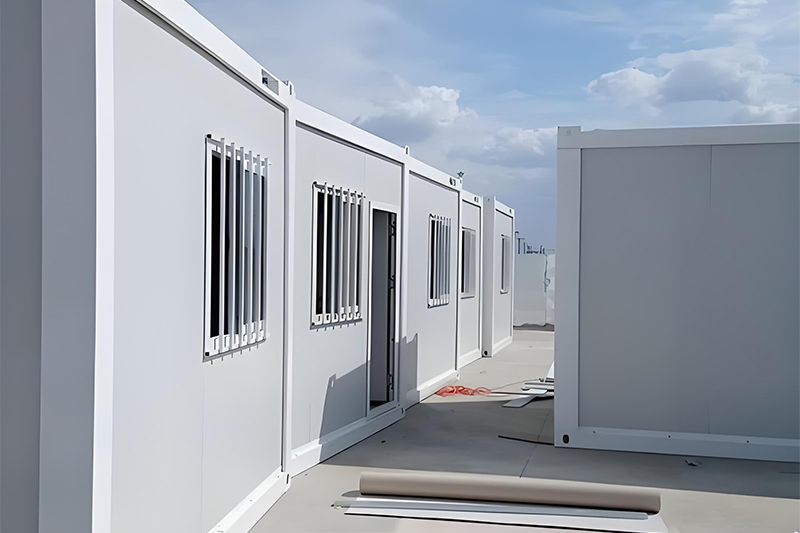
Energy-Efficient and Eco-Friendly Design
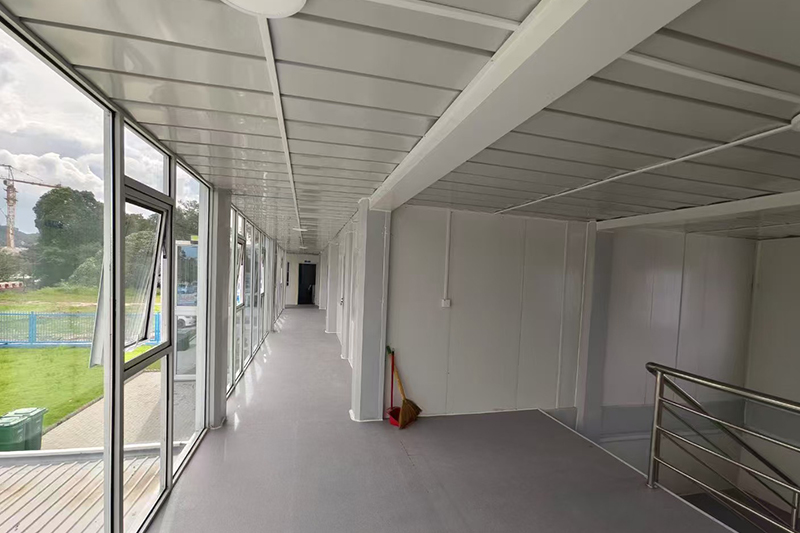
Water Resource Management
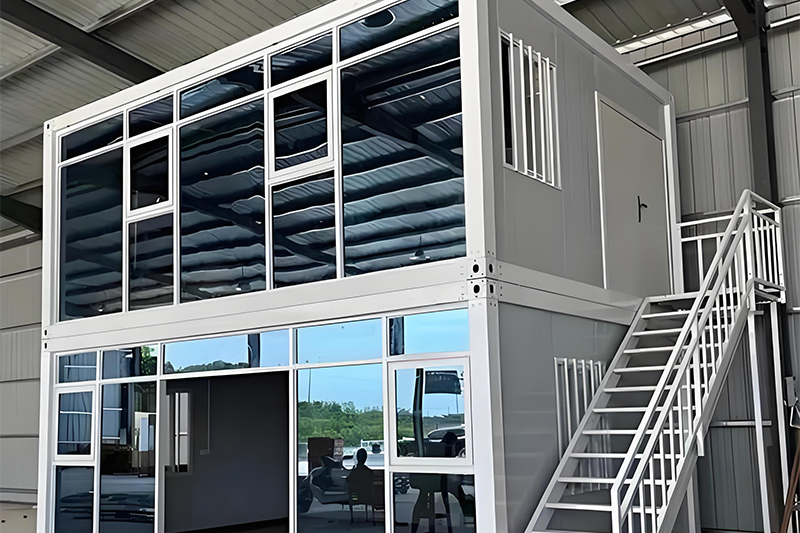
Flexible Spatial Adaptability
Technological Innovations Enhancing Low-Carbon Performance
☑ The technology behind container house is continuously evolving to enhance their low-carbon performance. For instance, the introduction of smart home systems allows for more efficient energy use, reducing unnecessary waste. Additionally, the carbon emissions associated with the production, transportation, and installation of these homes have been effectively controlled, ensuring minimal carbon footprint throughout their entire lifecycle.
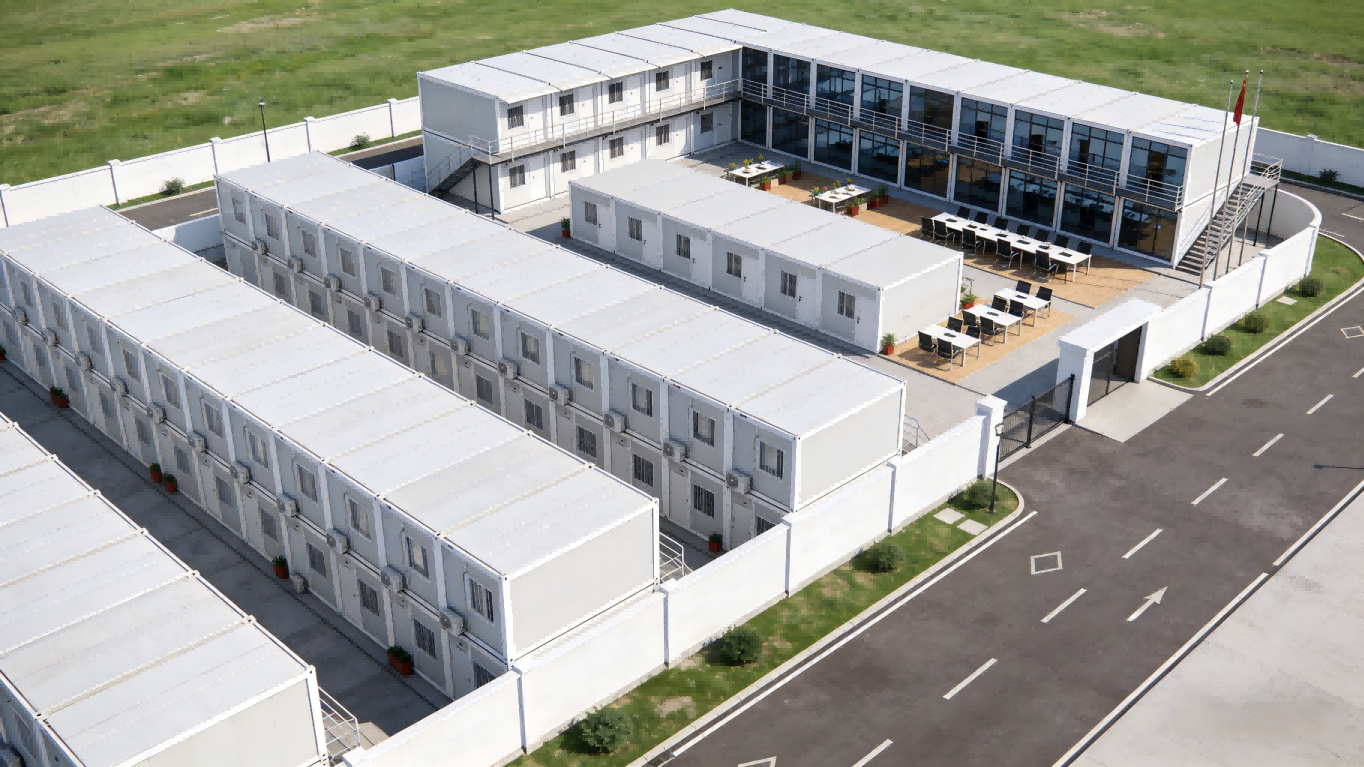
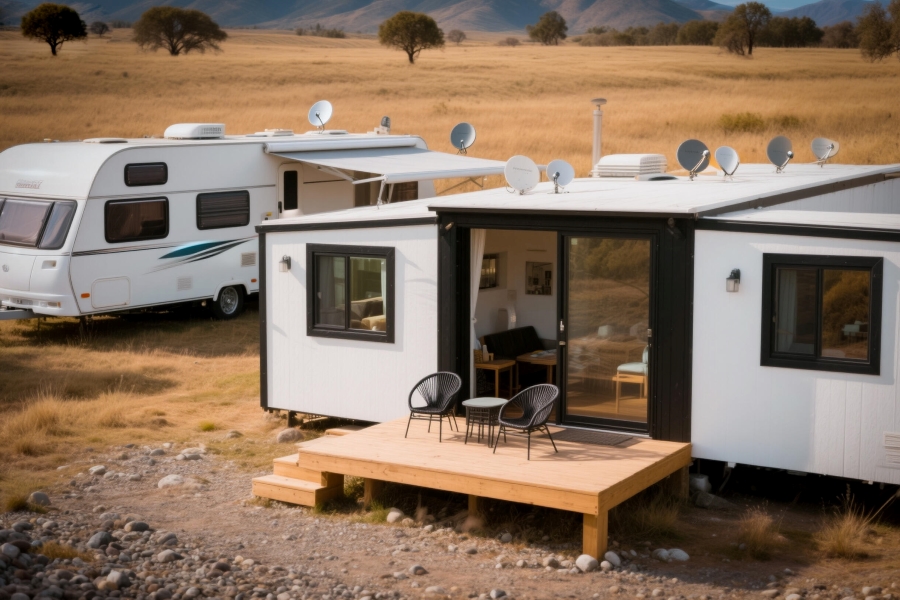
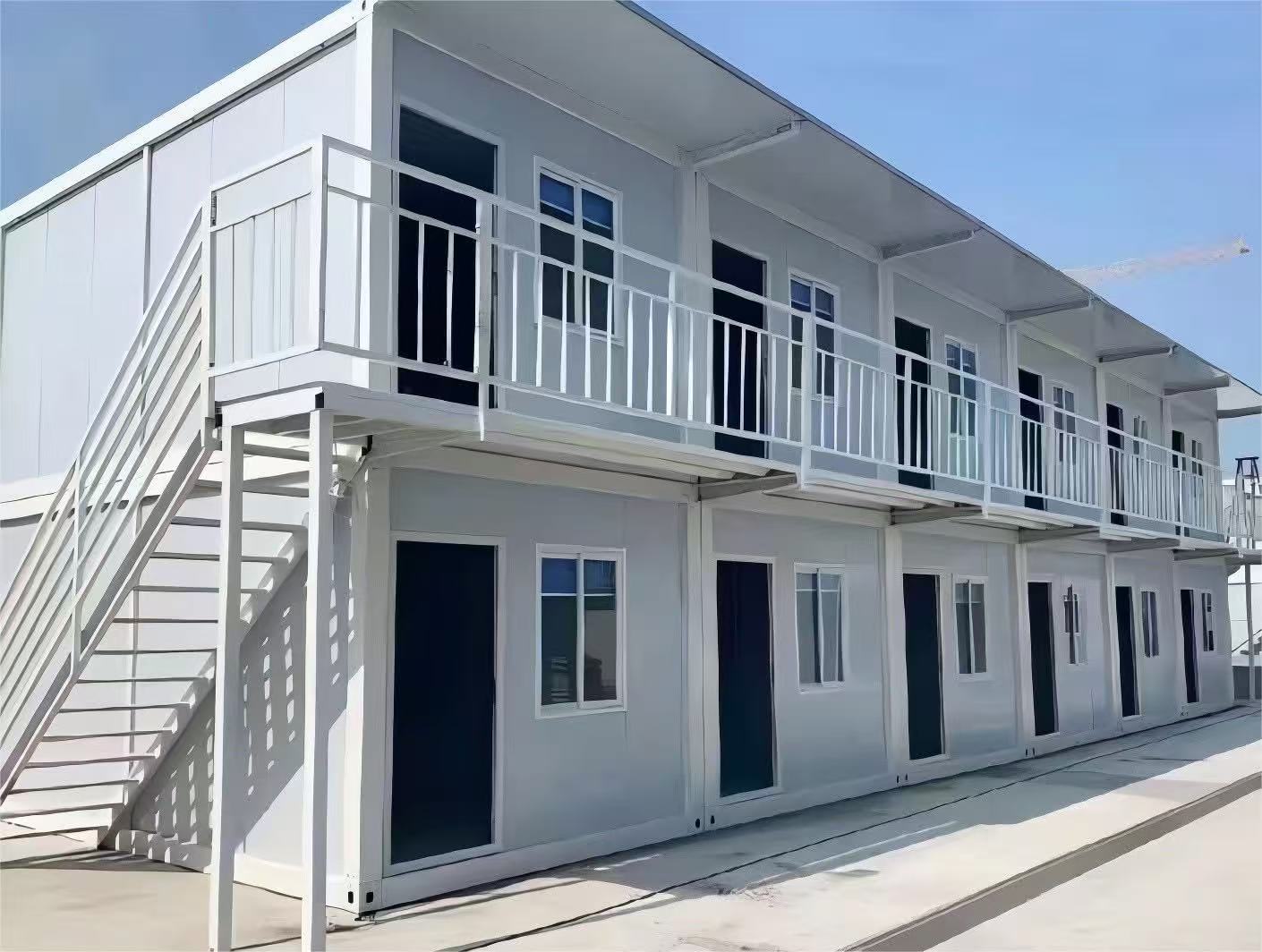
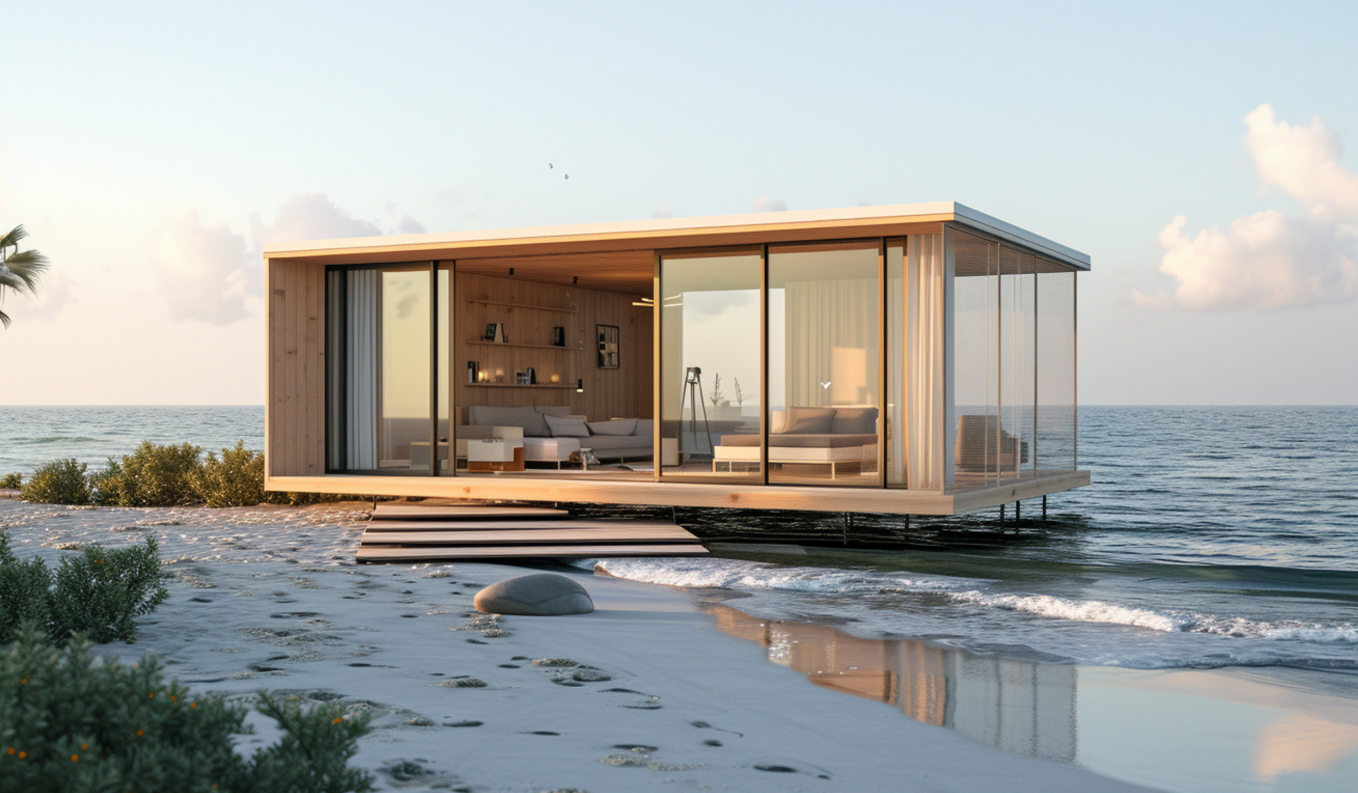
☑ For example, in a tourist destination in Southeast Asia, container house are used as eco-friendly accommodations, reducing carbon emissions by 200 tons annually. In an industrial park in Indonesia, container dormitories have implemented solar-powered lighting and natural ventilation systems, achieving a 30% reduction in energy consumption.
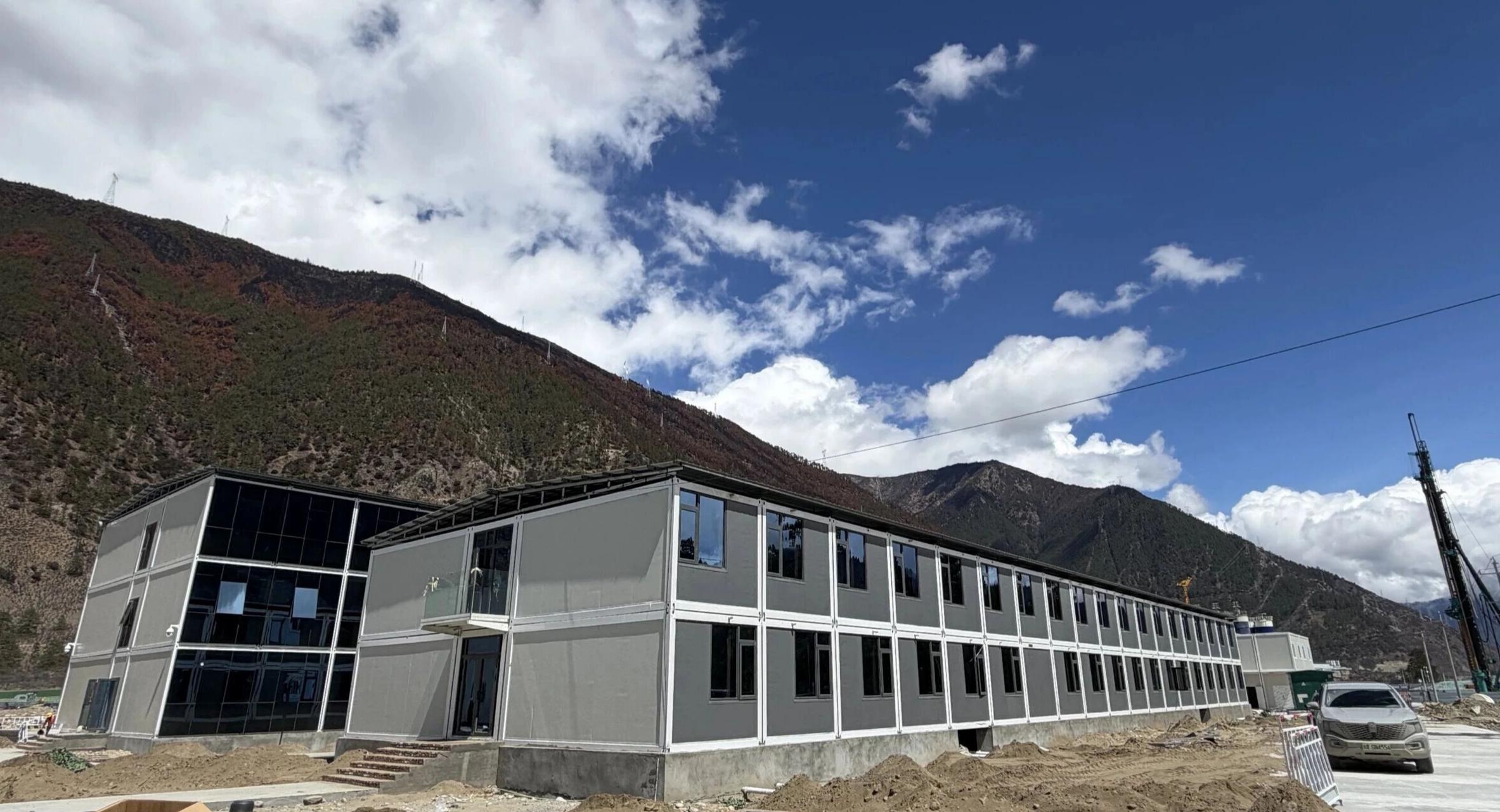
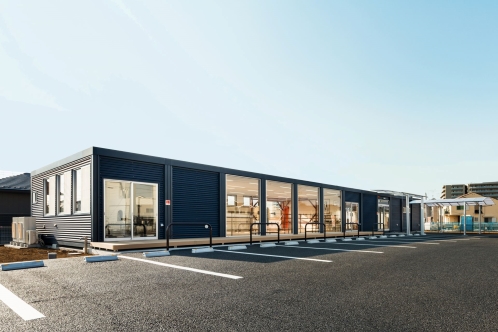
☑ As carbon neutrality policies spread, container house will see more widespread applications globally. They are not only suitable for residential or temporary facilities but also have significant potential in office spaces, public buildings, and post-disaster reconstruction. With advances in technology and standardization, container house will play an important role in driving the transformation of green architecture.
☑ With their unique green advantages, container house are playing an increasingly important role in the era of carbon neutrality. As an eco-friendly, energy-saving, and flexible form of architecture, they not only help reduce the carbon emissions of the construction industry but also contribute to the achievement of global sustainable development goals.